
Investing in advanced diagnostic technology is one of the most significant decisions a dental practice owner or practice manager can make. When considering high-end imaging solutions like Cone Beam Computed Tomography (CBCT), practice leadership often weighs the initial capital expenditure against long-term financial returns.
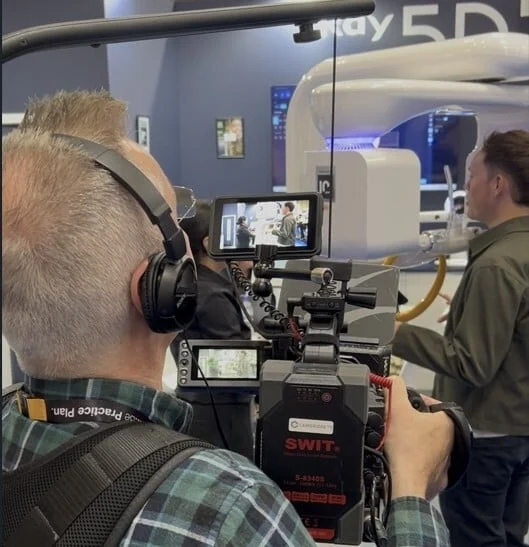
In a recent interview, Tracey Foyster, Managing Director of RAY UK, addressed whether dental professionals see a clear return on investment (ROI) after integrating CBCT scanners into their workflows.
Moving Beyond Basic Financial Returns
While generating revenue is vital, the conversation around CBCT ROI has evolved. As Tracey Foyster noted, the concept that CBCT scanners easily deliver financial ROI is now widely accepted in the industry. Today, practice owners evaluate investments based on additional clinical and operational advantages:
-
Expanded In-House Services: Practices can plan and execute complex procedures, such as dental implants, endodontic treatments and surgical extractions, without referring patients out.
-
Enhanced Diagnostic Accuracy: High-resolution 3D imaging offers precise anatomical views, reducing procedural risks and improving treatment predictability.
-
Increased Patient Acceptance: Showing patients clear 3D visuals of their dental structure helps them better understand treatment needs, improving case acceptance rates.
-
Long-Term Equipment Support: Modern systems backed by comprehensive multi-year warranties give practice owners confidence in their equipment’s long-term operational lifespan.
Key Takeaways for Practice Owners
-
ROI is Fast and Measurable: Dental practices using CBCT regularly experience increased treatment throughput and internal case retention that quickly justifies the initial purchase.
-
Alignment Between Practice Managers & Clinicians: While clinicians focus on diagnostic clarity and patient care, practice managers quickly recognize the tangible business impact once the scanner is operational.
-
Focus on Long-Term Value: Modern diagnostic imaging is no longer just a luxury expense—it is a core asset driving practice growth, clinical precision, and business scalability.